

acid etched glass windows
M3スレッドゲージの重要性 M3スレッドゲージは、機械加工や製造業において非常に重要な役割を果たしています。スレッドゲージは、ネジ山の精度や一致性を確認するための測定器具であり、特にM3サイズは多くのアプリケーションで使用されています。この記事では、M3スレッドゲージの特徴とその使用方法について説明します。 . 次に、M3スレッドゲージの種類について紹介します。スレッドゲージには、整合性を確認するための「プラグゲージ」と、ネジの外径や内径を測定するための「リングゲージ」があります。プラグゲージは、ネジが正確に切られているかを確認するために、実際にネジ穴に挿入して使います。一方、リングゲージは、ネジの外径を測定するために使用され、正しいサイズであることを確認します。 m3 thread gauge M3スレッドゲージを使用することで、製品の不良率を低下させ、効率的な生産を実現できます。定期的なチェックにより、ネジ孔の摩耗や不整合を早期に発見でき、修正することでコストを抑えることが可能です。さらに、高精度のネジ加工が求められる場合、M3スレッドゲージは不可欠なツールとなります。 最後に、M3スレッドゲージを使用する際の注意点として、定期的なキャリブレーションと保管方法に気を付けることが挙げられます。正確な測定を維持するために、使用後は清掃し、専用のケースに入れて保管することが大切です。 まとめると、M3スレッドゲージは、精密加工において欠かせない道具であり、製品の品質向上に貢献します。正確な測定を行うためには、適切な使用方法とメンテナンスが不可欠です。
about
acid etched glass windows
Understanding Plug Gauges and Ring Gauges Definition, Usage, and Importance In the realm of manufacturing and engineering, precision is paramount. The ability to produce components that meet exact specifications is essential for the functionality and durability of machines and structures. In this context, tooling and measuring instruments play a vital role, and among these, plug gauges and ring gauges are critical tools for quality assurance. What are Plug Gauges? Plug gauges, often referred to as go/no-go gauges, are used to measure the internal diameters of holes, ensuring that they meet specified tolerances. These gauges come in sets, typically including a go gauge and a no-go gauge. The go gauge is designed to fit into the hole if it meets the minimum size requirement, while the no-go gauge should not pass into the hole if it exceeds the maximum allowable size. For example, if a hole is intended to be 10mm in diameter, a 10mm go plug gauge would fit perfectly. Conversely, a 10.1mm no-go plug gauge would not fit, indicating that the hole is too large. This simple yet effective mechanism allows manufacturers to quickly assess whether their products fall within specified tolerances, thus ensuring quality control throughout the production process. What are Ring Gauges? Ring gauges serve a similar purpose but are applied to external features, particularly the external diameters of shafts and similar components. Like plug gauges, ring gauges also come in go and no-go configurations. The go ring gauge must slide over the diameter of the shaft with ease, confirming it meets the minimum size requirement, while the no-go gauge must not fit, signaling an oversized component. An example would be a shaft meant to have a diameter of 20mm. The 20mm go ring gauge should fit snugly, while a 20.1mm no-go ring gauge would fail to pass, indicating that the shaft is out of specification. This dual-format capability of ring gauges facilitates thorough quality checks for precision mechanical components. Importance of Plug and Ring Gauges The importance of plug and ring gauges cannot be overstated in the manufacturing landscape. Their role in ensuring dimensional accuracy is crucial for various reasons 1. Quality Assurance Gauges help manufacturers maintain high standards of precision. This is vital for industries where tolerance levels are critical, such as aerospace, automotive, and medical devices. plug gauge and ring gauge 2. Cost Efficiency Ensuring components are produced within tolerance reduces waste and rework, leading to significant cost savings. Using gauges effectively minimizes the risk of defective parts entering the supply chain. 3. Interchangeability Standardized components are essential for assembly lines where parts must fit together seamlessly. Plug and ring gauges help ensure that parts made by different manufacturers can be interchanged without issues. 4. Compliance and Certification Many industries are subject to regulatory standards that dictate acceptable tolerances for components. Plug and ring gauges help manufacturers demonstrate compliance with these standards, easing the process of certification. Best Practices for Using Plug and Ring Gauges To maximize the effectiveness of plug and ring gauges, manufacturers should adhere to certain best practices - Calibration Regular calibration of gauges ensures their accuracy and reliability. Factors such as wear and environmental changes can affect measurements over time. - Proper Handling Gauges should be handled with care. Avoid dropping or exposing them to harsh environments that could compromise their integrity. - Periodic Inspection Consistent inspection of gauging tools can prevent the use of worn or damaged gauges, thereby maintaining the quality of the products being manufactured. - Training Ensuring that personnel are trained in the proper use of gauges is crucial for effective quality control processes. Conclusion In summary, plug gauges and ring gauges are indispensable tools in the manufacturing sector, helping to ensure that components meet stringent dimensional standards. Their role in quality assurance, cost efficiency, and compatibility across components is crucial in today's precision-driven industries. By adhering to best practices in their use and maintenance, manufacturers can guarantee the accuracy and reliability of their products, thereby upholding their commitment to quality and customer satisfaction.
-

High quality industrial productsagement

High quality industrial products
View Details -

Meet the diverse needs of customers

Meet the diverse needs of customers
View Details -

Strict quality control

Strict quality control
View Details -

Top raw materials

Top raw materials
View Details -

Trusted supplier

Trusted supplier
View Details
Our application

news and information
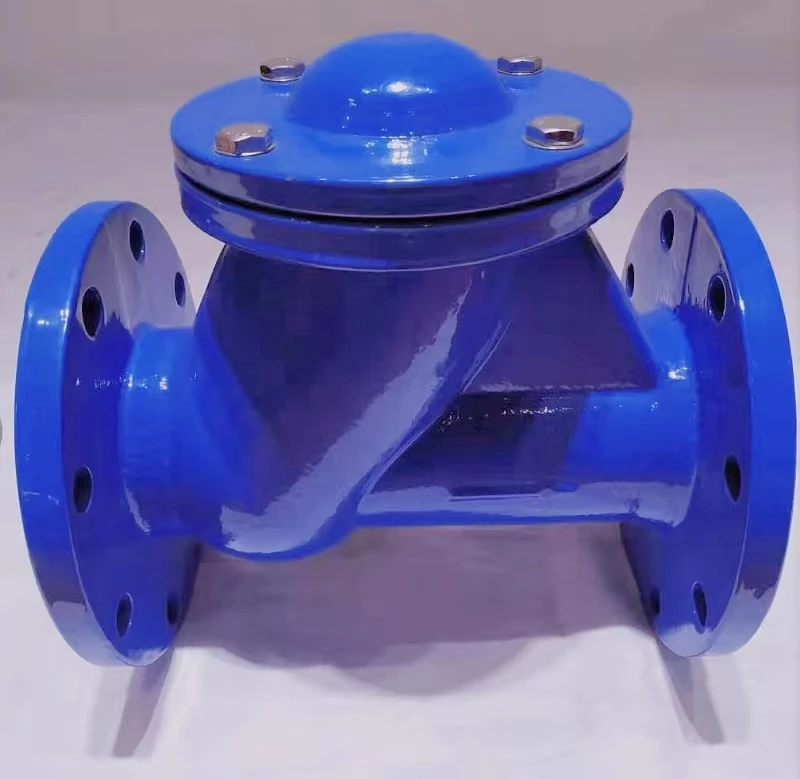
Vanne papillon de 75 mm
La vanne papillon de 75 mm Un élément clé dans les systèmes de plomberie La vanne papillon de 75 mm
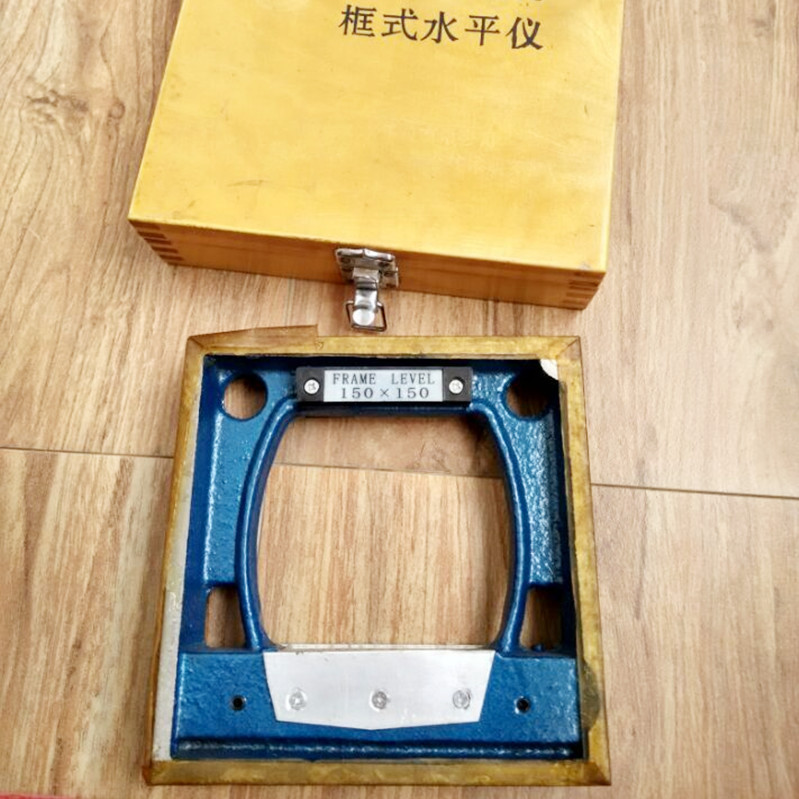
v block design
Exploring the V-Block Design A Revolutionary Approach in Architecture In the ever-evolving landscape
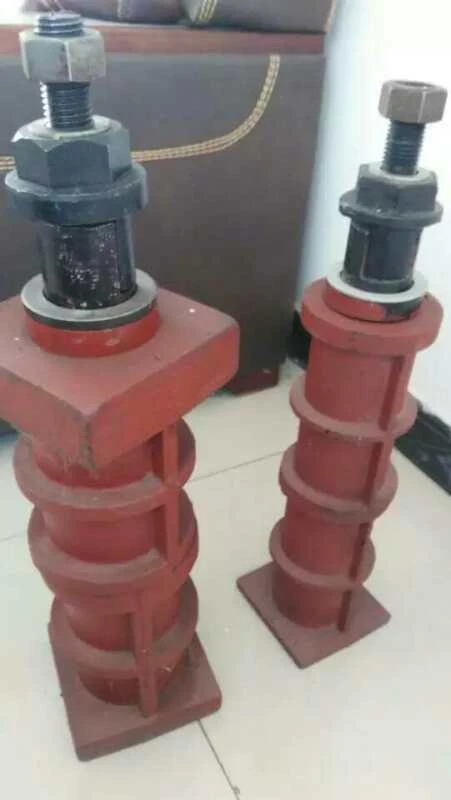
Vanne de contrôle à boule de 4 pouces
La vanne à clapet de 4 pouces un élément essentiel pour la régulation des fluides La vanne à clapet
 English